Understanding the Spread of Chickenpox: An Insight into Varicella-Zoster Virus Infection

Table of Contents
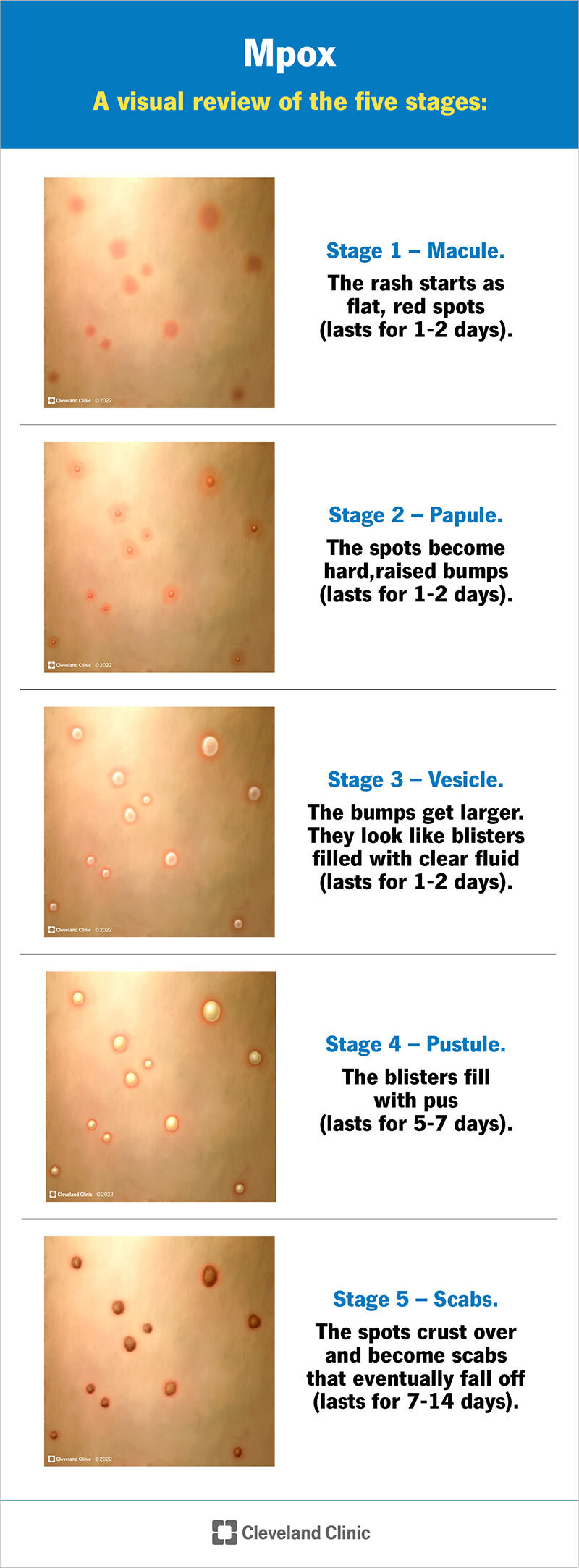
- Early Stages Of Chickenpox
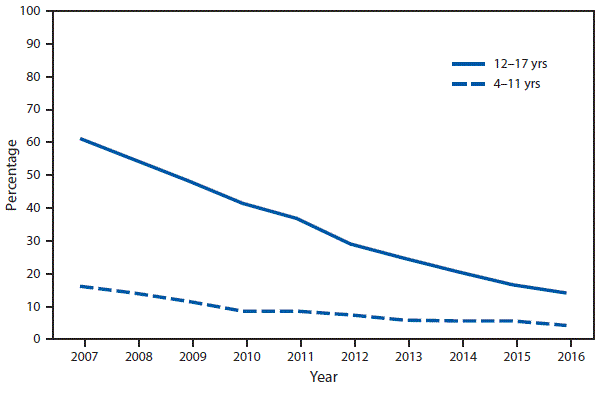
- Figure 1 from Epidemiological Report on Outbreak Investigation of ...
- Educational Material (infographic) about Chickenpox Prevention ...
- Google Trends Reveal How Chickenpox Spread May Have Been Suppressed ...
- Fact Check: Chickenpox highlighted as dreaded Smallpox by media
- showed although the total number of chickenpox varies from 2009-2013 ...
- Global Chickenpox Vaccine Market Size, Overview, Key Players and ...
- showed although the total number of chickenpox varies from 2009-2013 ...
- Decline of Chickenpox a Problem for Millennials? | American Council on ...
- Minnesota Seeing a Rise in Chickenpox Cases - KVRR Local News


Global Distribution and Prevalence


Transmission


Risk Factors
Several risk factors increase the likelihood of developing complications from chickenpox. These include: - Age: Infants, adolescents, and adults are at a higher risk of complications. - Pregnancy: Pregnant women who contract chickenpox, especially during the first 20 weeks of gestation, are at risk of congenital varicella syndrome. - Immunocompromised Status: Individuals with weakened immune systems due to illness or medication are more susceptible to severe chickenpox.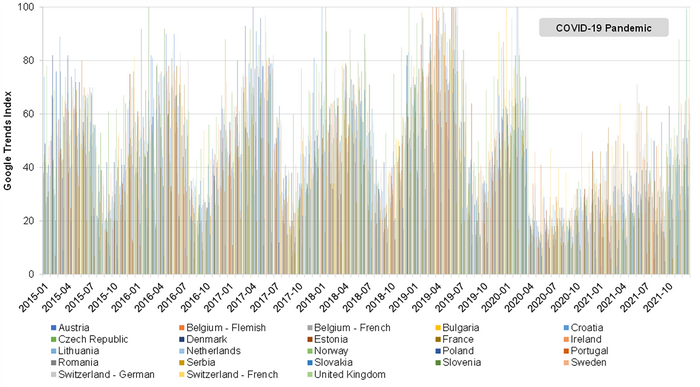
Vaccination and Prevention
The introduction of the varicella vaccine has significantly reduced the incidence of chickenpox and its complications. The vaccine is recommended for all children and is often administered in combination with the measles, mumps, and rubella (MMR) vaccine. Two doses of the vaccine are recommended: the first dose at 12-15 months of age and the second dose at 4-6 years of age. Vaccination not only protects the individual but also contributes to herd immunity, reducing the spread of the virus in the community. The epidemiology of varicella-zoster virus infection underscores the importance of continued vigilance and preventive measures against chickenpox. Understanding the dynamics of its spread, identifying high-risk groups, and implementing vaccination programs are critical in controlling the disease. As global health strategies evolve, the role of epidemiological research in informing public health policy and practice becomes increasingly evident. By addressing the challenges posed by VZV infection, we can work towards a future where the burden of chickenpox is significantly reduced, protecting the health and well-being of populations worldwide.References: - Centers for Disease Control and Prevention. (2022). Chickenpox (Varicella). - World Health Organization. (2022). Varicella and herpes zoster.